
Premium Quality
Held to the highest standards, from raw material to sealed vial.
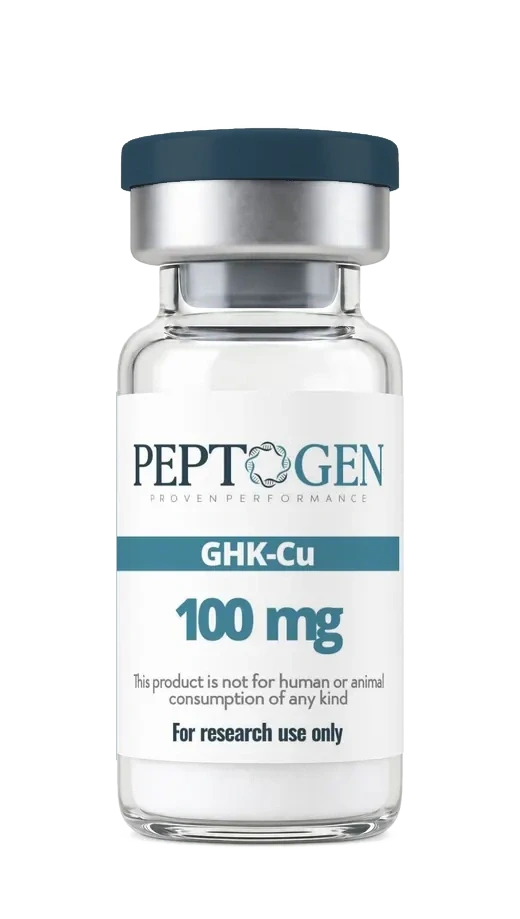
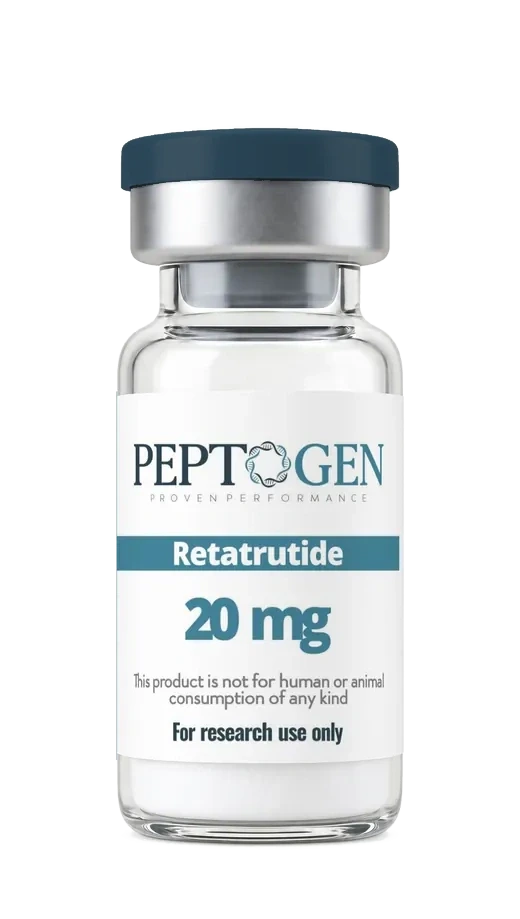
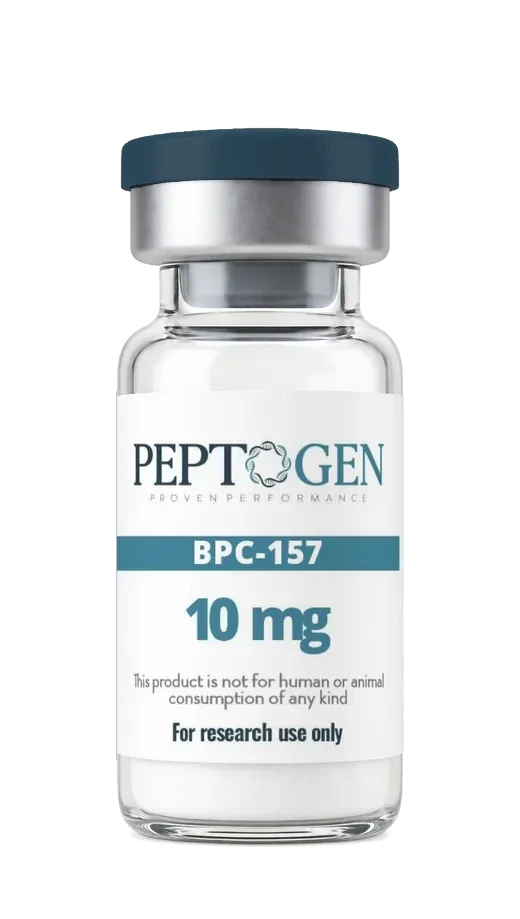
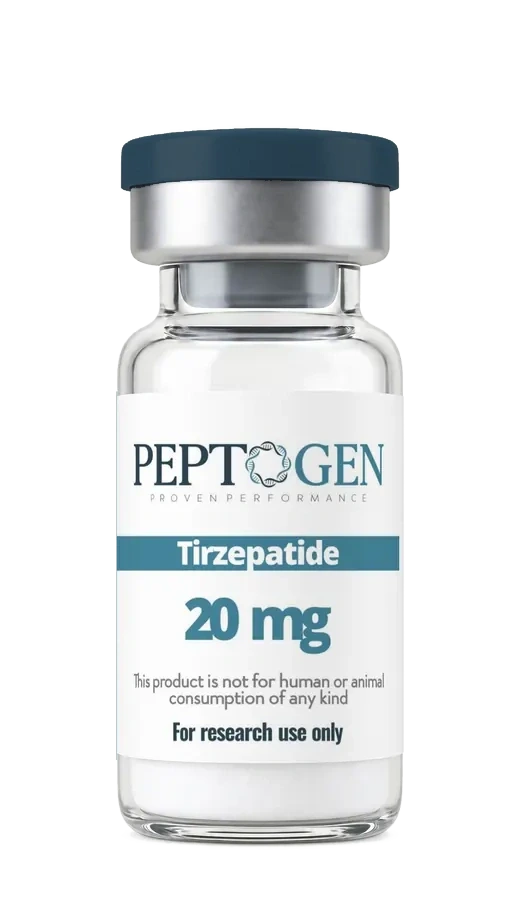
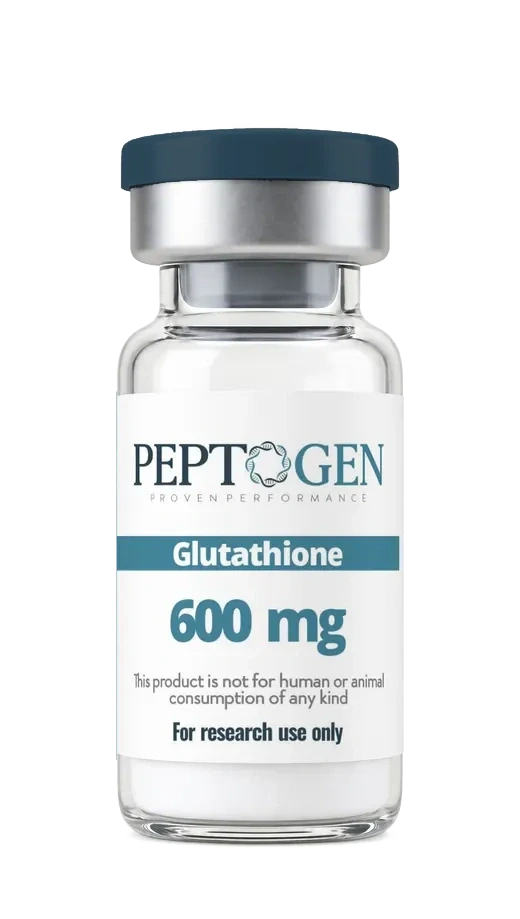
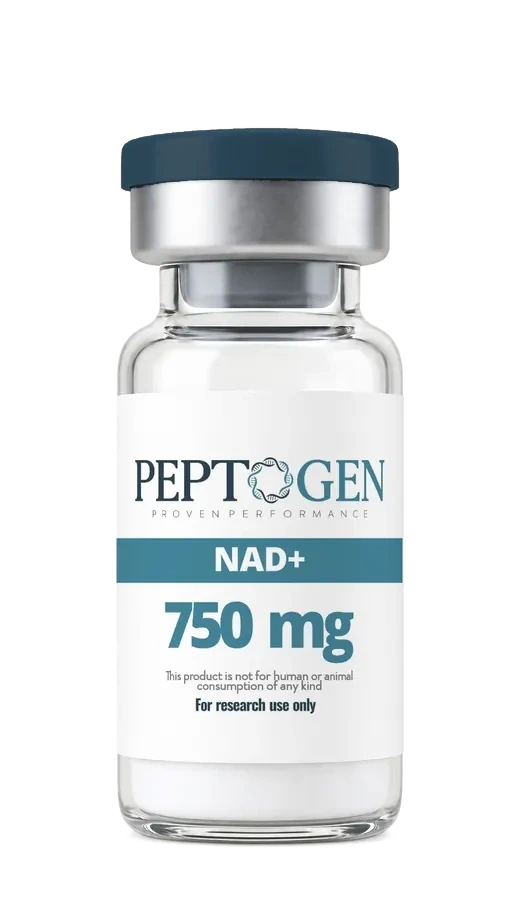
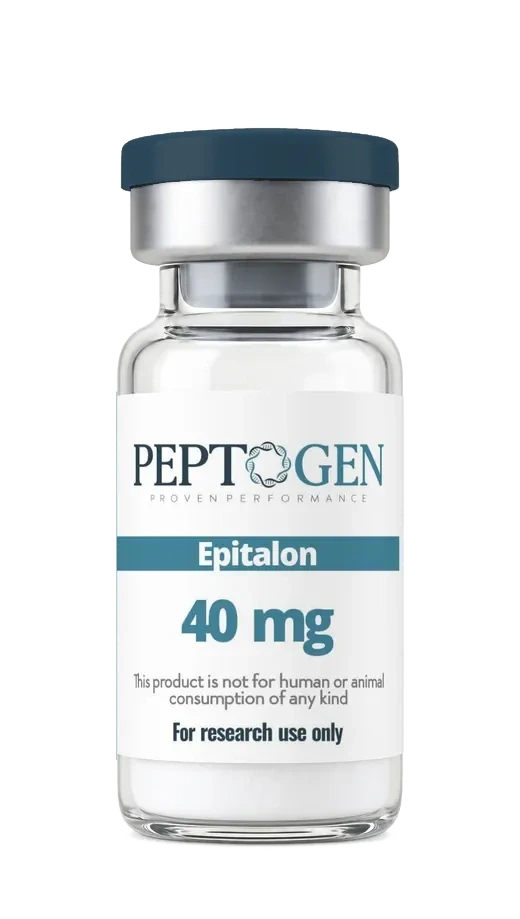
Held to the highest standards, from raw material to sealed vial.
Formulated exclusively for advanced laboratory research.
Third-party tested: every batch is analyzed by an independent lab before it reaches you.
Shop peptides →A Certificate of Analysis and a documented origin for every vial.
Request a COA →Results you can trust, with a specialist one message away.
Talk to us →Explore the full Peptogen line by area of study. Research-grade formulations with batch-certified purity.
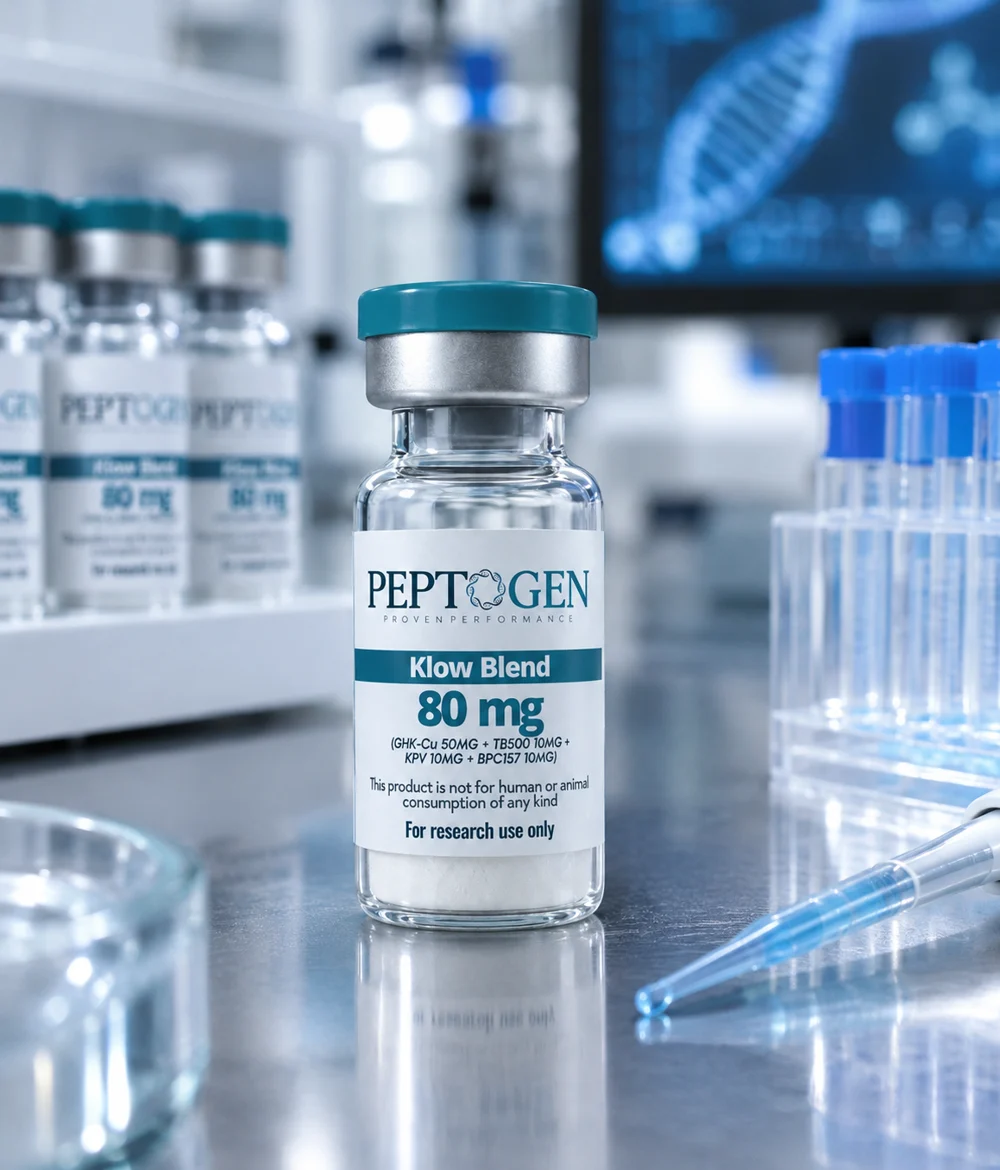
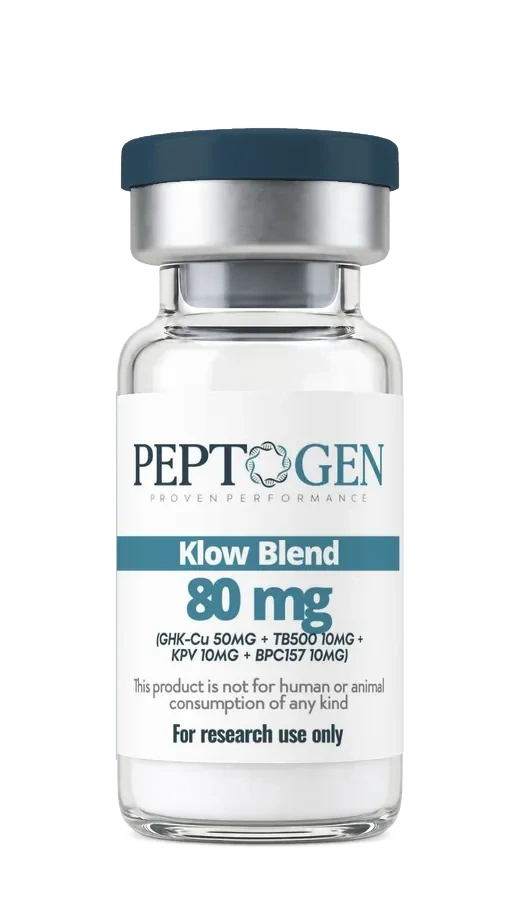
80 mg · Four-peptide regenerative blend
$180 USD
A multi-peptide combination formulated for research protocols focused on skin, hair and combined tissue regeneration. Four of our most studied compounds, measured into a single vial.
Five documented stages behind every Peptogen vial, so each batch can be traced from raw material to your door.

 Our Mission
To supply research-grade bioactive peptides of unmatched quality, backed by scientific validation and full transparency.
Purity isn't assumed. It's certified. Every batch goes through independent lab analysis before it reaches you.
Peptide science moves fast. Our team can walk you through what the studies actually show, how to read a Certificate of Analysis and which compounds fit your research.
Talk to a specialistShort reads on peptide science, traceability and evidence-based biohacking.
Research-grade peptides with certified purity, documented batch by batch.
A research brand built on molecular science, certified purity and laboratory rigor, for those who explore biological optimization through evidence.
At Peptogen we develop and distribute research-grade bioactive peptides. Every formula starts from verified inputs, goes through batch quality control and is documented from raw material to sealed vial, because purity isn't assumed. It's certified.
We work exclusively for research purposes, with a constant commitment to traceability, molecular stability and scientific rigor at every stage of the process.
“Innovation that turns research into real results.”
To supply bioactive peptides of unmatched quality for research purposes, backed by scientific validation, international standards and full transparency, giving researchers and professionals the tools to explore new frontiers in science, health and performance, always under strict safety and regulatory protocols.
To become the global reference in peptide research, supply and innovation, recognized not only for the quality of our compounds but for our contribution to the biotechnology behind health, longevity and human performance, through ethical, legal and scientifically sound practices.
Four principles guide every batch that leaves production.
Every batch carries an independent Certificate of Analysis.
Every vial documents its origin, from raw material to seal.
Formulation reviewed and quality-controlled at every stage.
For research use only. Not for human or animal consumption.
Explore the full Peptogen line by research category. Research-grade formulations with batch-certified purity.
No peptides match that search. Try another name or clear the filter.
Photo coming soonLike every Peptogen peptide, this batch carries an independent Certificate of Analysis and documented traceability from raw material to sealed vial.
This product is a research-grade compound intended exclusively for laboratory and in-vitro research. It is not intended for human or animal consumption, or for diagnostic or therapeutic use.
An education-first community: live conferences every 15 days with our specialists, and evidence-based articles on peptide science, research protocols and laboratory practice.
Peptogen exists to help you understand the science before anything else. Our specialists host a live conference every 15 days, teaching what current research says, how studies should be read and how to design rigorous protocols, with an open Q&A at every session.
Free online conferences with our specialists. Bring your questions: every session ends with an open Q&A.
From GLP-1 to GIP to glucagon: how one engineered peptide came to engage three hormone receptors, and what the first clinical data actually showed.
Peptogen Research TeamOctober 2026 · 3 min read · 3:21 listen
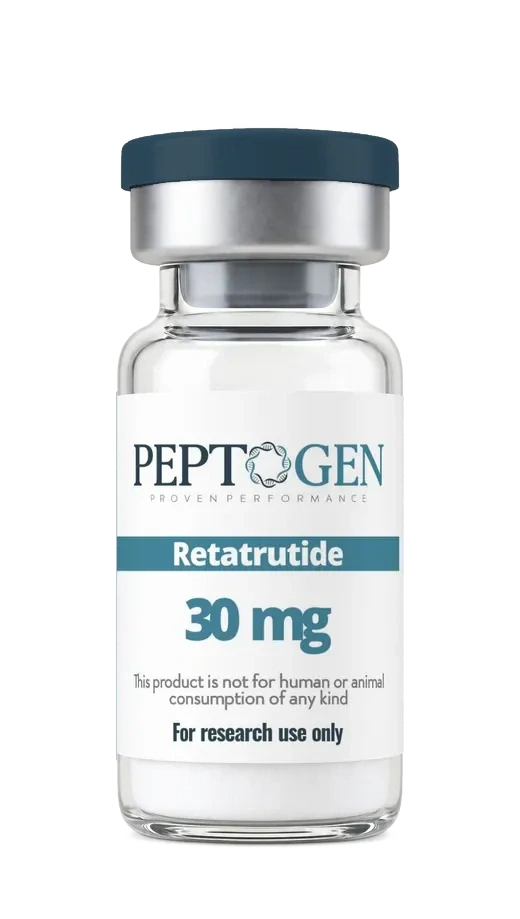
Metabolic peptide research has moved in clear generations. First came selective GLP-1 receptor agonists. Then dual GIP/GLP-1 agonists. Retatrutide (LY3437943) represents the third step: a single molecule that engages three receptors at once.
| Compound | Receptors | Research focus |
|---|---|---|
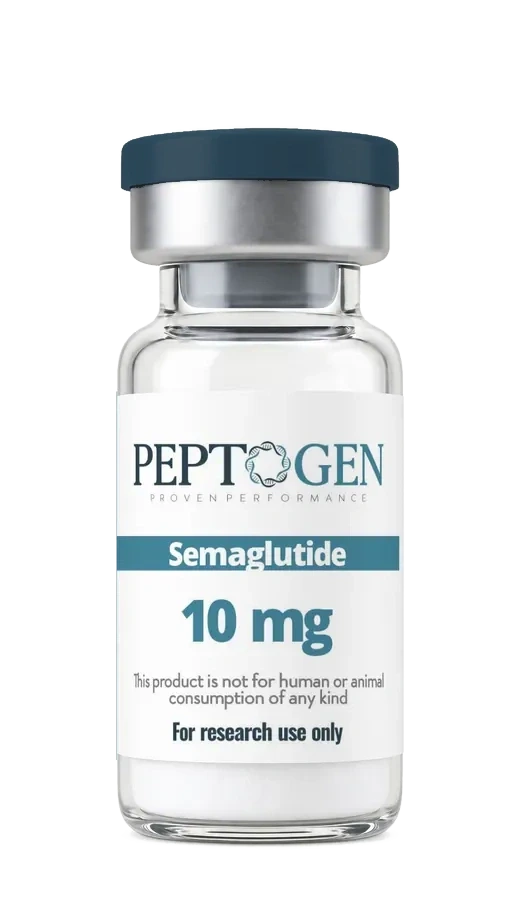
| Semaglutide | GLP-1 | Appetite, gastric emptying, glycemic control |
| Tirzepatide | GIP + GLP-1 | Dual incretin signaling |
| Mazdutide | GLP-1 + glucagon | Energy expenditure, visceral fat |
| Retatrutide | GIP + GLP-1 + glucagon | Combined appetite, glycemic and energy-expenditure effects |
Glucagon is best known for raising blood glucose, which makes it an unexpected partner in metabolic research. But glucagon-receptor signaling also increases energy expenditure and promotes fatty-acid oxidation in the liver. Pairing it with GLP-1 and GIP activity, which counter its glycemic effect, is the rationale behind tri-agonism .
Retatrutide is based on a GIP peptide backbone, modified to also activate GLP-1 and glucagon receptors, and conjugated to a fatty diacid moiety that binds albumin in circulation. That albumin binding slows clearance and underlies a reported half-life of about six days in early pharmacology studies .
In a 48-week phase 2 trial in adults with obesity, published in the New England Journal of Medicine, retatrutide produced dose-dependent reductions in body weight, reaching a mean of 24.2% in the highest-dose group versus 2.1% with placebo . A separate phase 2 trial in type 2 diabetes reported meaningful reductions in HbA1c and body weight . In a substudy focused on liver fat, a majority of participants in the higher-dose groups reached liver-fat levels within the normal range by 48 weeks .
Tri-agonism does not just add a third pathway. It changes the balance between eating less and spending more.
As with other incretin-based compounds, the most frequent adverse events in trials were gastrointestinal (nausea, diarrhea, vomiting), largely mild to moderate and more common during dose escalation. Dose-related increases in heart rate were also reported . These observations come from controlled clinical settings with medical supervision.
This article is for educational and research purposes only. Peptogen products are research-grade compounds intended exclusively for laboratory and in-vitro research. They are not for human or animal consumption, diagnostic or therapeutic use, and nothing here constitutes medical advice or dosing guidance.
GHK-Cu, TB-500, BPC-157 and KPV each act on a different stage of tissue repair. Here is what research says about every component, and why they are studied together.
Peptogen Research TeamOctober 2026 · 3 min read · 3:12 listenTissue repair is not a single event. It is a sequence: inflammation clears damage, cells migrate into the area, new blood vessels form, and the extracellular matrix is rebuilt and remodeled. The Klow Blend was formulated around that sequence, combining four peptides that research associates with different stages of it.
GHK (glycyl-L-histidyl-L-lysine) is a tripeptide first isolated from human plasma, with a strong affinity for copper ions. As GHK-Cu, it has been studied for its role in wound repair, collagen and elastin synthesis, and antioxidant activity. Gene-expression analyses suggest it modulates a broad set of genes involved in tissue remodeling .
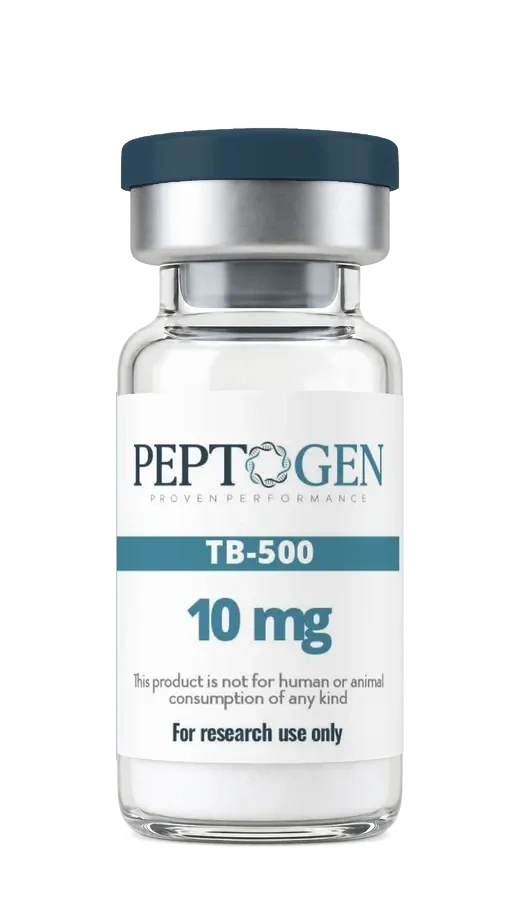
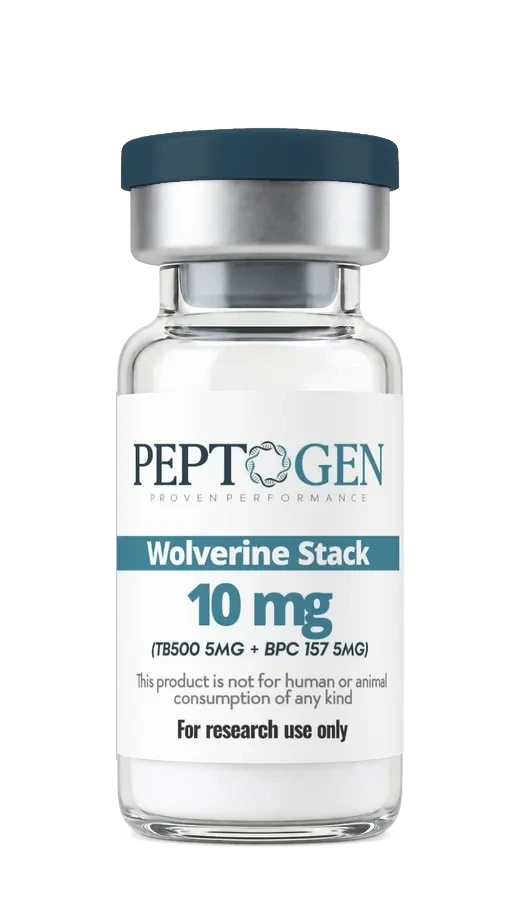
TB-500 is a synthetic peptide derived from the active region of thymosin β4, a naturally occurring protein that binds actin, the main building block of the cell's internal scaffold. By regulating actin, thymosin β4 influences cell migration, a prerequisite for wound closure, and has been studied for angiogenesis and reduced local inflammation in animal models .
BPC-157 is a pentadecapeptide derived from a protein found in gastric juice. A large body of rodent research reports accelerated healing of tendons, ligaments, muscle and gut tissue, with proposed mechanisms that include promotion of angiogenesis and growth-factor signaling. A systematic review of musculoskeletal studies noted consistent positive findings in animals and the absence of robust human trials .
KPV (Lys-Pro-Val) is the C-terminal tripeptide of alpha-melanocyte-stimulating hormone (α-MSH), a molecule with known anti-inflammatory activity. In models of intestinal inflammation, KPV was taken up by cells through the PepT1 transporter and reduced inflammatory signaling, including the NF-κB pathway .
| Component | Stage of repair | Main evidence |
|---|---|---|
| GHK-Cu | Matrix remodeling, collagen | In vitro, animal, gene-expression |
| TB-500 | Cell migration, angiogenesis | Animal models |
| BPC-157 | Angiogenesis, soft tissue | Animal models |
| KPV | Inflammation | In vitro, animal models |
The rationale for a blend is complementarity: if each peptide acts on a different step, studying them together lets researchers explore whether effects add up or interact. It is equally important to be clear about what is not known. There are no published controlled studies of this specific four-peptide combination, so any research protocol should treat it as an exploratory design with appropriate controls.
This article is for educational and research purposes only. Peptogen products are research-grade compounds intended exclusively for laboratory and in-vitro research. They are not for human or animal consumption, diagnostic or therapeutic use, and nothing here constitutes medical advice or dosing guidance.
Aging research now describes twelve biological hallmarks. Here is how Epitalon, MOTS-c, NAD+, GHK-Cu and glutathione map onto them, with an honest look at the evidence behind each.
Peptogen Research TeamOctober 2026 · 3 min read · 3:13 listen
In 2013, a landmark review proposed nine hallmarks of aging: biological processes that change with age, accelerate aging when worsened, and slow it when improved. A decade later, the framework was expanded to twelve . It has become the map that longevity research uses to decide where to look.
| Compound | Hallmark studied | Evidence type |
|---|---|---|
| Epitalon | Telomere attrition | Cell studies, animal models |
| MOTS-c | Mitochondrial dysfunction, nutrient sensing | Animal models |
| NAD+ | Mitochondrial dysfunction, genomic instability | Animal models, early human trials |
| GHK-Cu | Epigenetic alterations, intercellular communication | In vitro, gene-expression data |
| Glutathione | Oxidative stress (cross-cutting) | In vitro, animal, human biomarker studies |
Epitalon is a synthetic tetrapeptide (Ala-Glu-Asp-Gly) developed from research on pineal gland extracts. In cultured human somatic cells, it was reported to induce telomerase activity and telomere elongation . These findings come largely from a single research group and have not been widely replicated, which is why independent confirmation remains a priority.
MOTS-c is a 16-amino-acid peptide encoded within mitochondrial DNA, part of a newer class of mitochondrial-derived peptides. In mice, it acted on skeletal muscle to improve insulin sensitivity and protected against diet-induced metabolic dysfunction, partly through AMPK activation . Its natural levels decline with age, which places it at the intersection of mitochondrial function and nutrient sensing.
No single peptide reverses aging. The useful question is which hallmark a compound touches, and how strong the evidence is that it does.
NAD+ sits at the center of mitochondrial metabolism and DNA repair, and is covered in depth in our NAD+ article. GHK-Cu has been associated with broad changes in gene expression toward patterns seen in younger tissue . Glutathione, the cell's main endogenous antioxidant, is studied as a buffer against oxidative stress, a pressure that cuts across several hallmarks.
This article is for educational and research purposes only. Peptogen products are research-grade compounds intended exclusively for laboratory and in-vitro research. They are not for human or animal consumption, diagnostic or therapeutic use, and nothing here constitutes medical advice or dosing guidance.
Ipamorelin, CJC-1295, Sermorelin and Tesamorelin all aim at the same hormone through different doors. A guide to the GH axis and why pulsatility is the concept that matters most.
Peptogen Research TeamOctober 2026 · 3 min read · 3:27 listen
Growth hormone (GH) is not secreted at a steady rate. The pituitary releases it in bursts, most prominently during deep sleep, and this pulsatile pattern is part of how tissues read the signal. Growth hormone secretagogues are compounds that stimulate those pulses rather than supplying the hormone itself.
GH then acts on the liver and other tissues to produce IGF-1, which mediates many of its growth and metabolic effects and feeds back to dampen further release.
| Compound | Class | Reported half-life |
|---|---|---|
| Sermorelin | GHRH analog (1–29) | Minutes |
| Tesamorelin | Stabilized GHRH analog | Under 1 hour |
| CJC-1295 + DAC | GHRH analog, albumin-binding | About 6–8 days |
| Ipamorelin | GHS-R1a agonist (ghrelin mimetic) | About 2 hours |
Early ghrelin mimetics also raised cortisol and prolactin. Ipamorelin was described as the first selective GH secretagogue because, in animal studies, it released GH without significant increases in ACTH or cortisol, even at doses well above those needed for GH release . That selectivity is why it is often chosen in research designs that want to isolate the GH axis.
Native GHRH and Sermorelin are cleared within minutes. CJC-1295 with DAC (Drug Affinity Complex) carries a reactive group that binds covalently to circulating albumin, dramatically extending its presence in the body. In healthy adults, a single administration produced sustained increases in GH and IGF-1, with an estimated half-life of roughly 6 to 8 days .
Tesamorelin is a stabilized GHRH analog that has been studied in randomized controlled trials. In patients with HIV-associated abdominal fat accumulation, it reduced visceral adipose tissue while preserving subcutaneous fat, alongside increases in IGF-1 . It is one of the most clinically characterized molecules in this class.
Secretagogues work with the body's rhythm instead of overriding it. That is both their appeal and the reason pulsatility belongs in every research design.
Because GHRH analogs and GHS-R1a agonists act on different receptors, their effects on GH release can be synergistic: the GHRH signal drives the pulse while the ghrelin-like signal amplifies it and blunts somatostatin's brake. In research settings, IGF-1 is the most common integrated readout, since GH itself fluctuates too much for a single sample to be meaningful.
This article is for educational and research purposes only. Peptogen products are research-grade compounds intended exclusively for laboratory and in-vitro research. They are not for human or animal consumption, diagnostic or therapeutic use, and nothing here constitutes medical advice or dosing guidance.
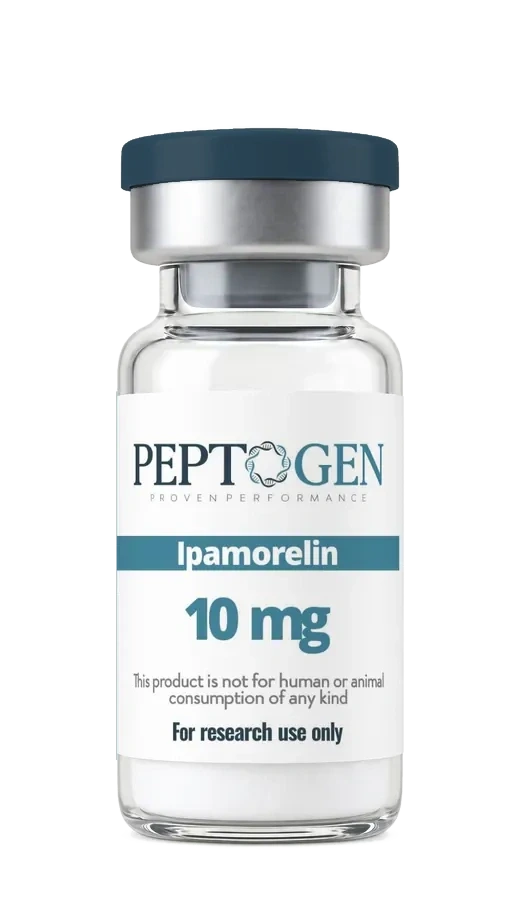
Two synthetic peptides developed from natural regulatory molecules, studied for focus, memory and stress resilience. What they are, how they are thought to work, and how strong the evidence is.
Peptogen Research TeamOctober 2026 · 3 min read · 3:17 listen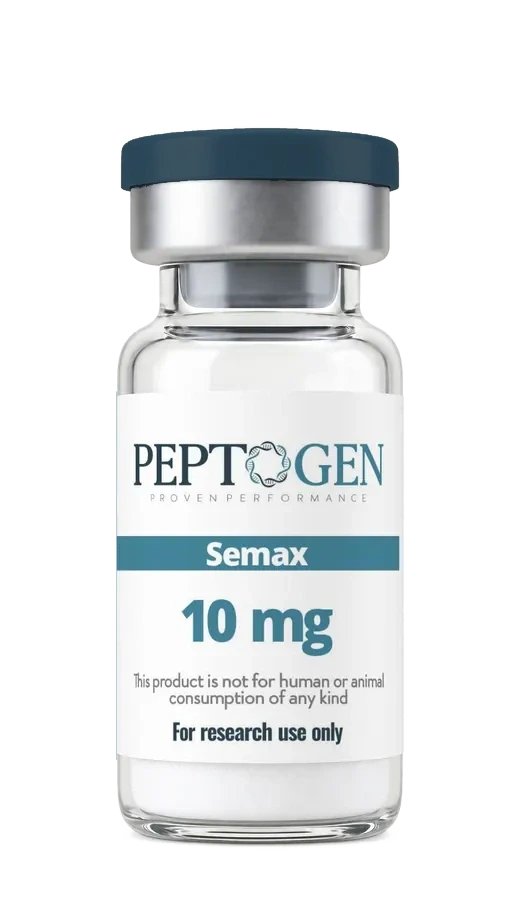
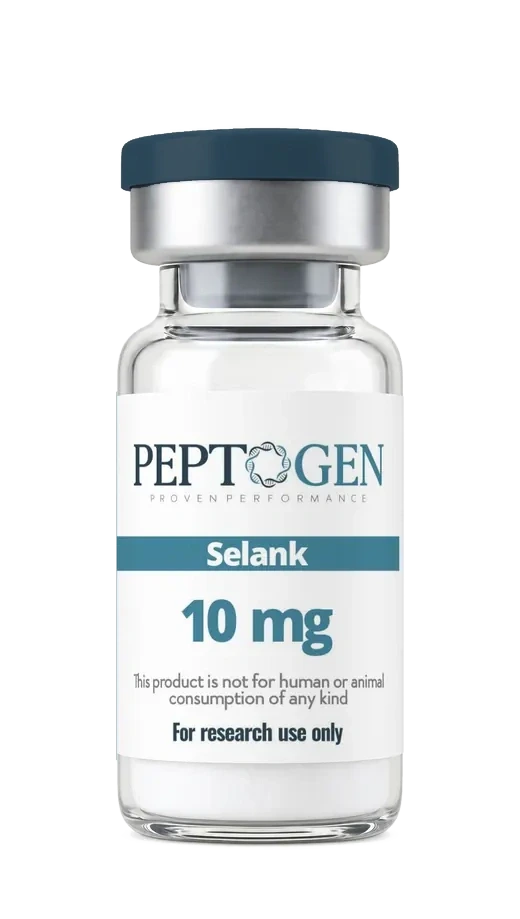
Semax and Selank share an origin. Both were developed at the Institute of Molecular Genetics of the Russian Academy of Sciences, and both follow the same design idea: take a short, naturally occurring regulatory peptide and stabilize it by adding a Pro-Gly-Pro tail that resists enzymatic breakdown.
Semax (Met-Glu-His-Phe-Pro-Gly-Pro) is built on the 4–10 fragment of adrenocorticotropic hormone (ACTH). Crucially, this fragment does not stimulate cortisol production; the interest lies in its effects on the brain. In rats, Semax increased the expression of brain-derived neurotrophic factor (BDNF) and its receptor TrkB in the hippocampus, a region central to learning and memory .
Selank (Thr-Lys-Pro-Arg-Pro-Gly-Pro) extends tuftsin, a short peptide involved in immune function. It has been studied for anxiolytic-like effects without the sedation associated with classical anxiolytics. Gene-expression work in animal brain tissue found that Selank altered the expression of genes involved in GABAergic neurotransmission, offering one possible mechanism .
| Semax | Selank | |
|---|---|---|
| Parent molecule | ACTH (4–10) | Tuftsin |
| Main research area | Focus, memory, neuroprotection | Stress, anxiety-like behavior |
| Proposed mechanism | BDNF / TrkB signaling | GABAergic gene expression |
| Route in most studies | Intranasal | Intranasal |
Both peptides follow the same idea: keep the signal of a natural molecule, and make it last long enough to study.
Both compounds have a substantial literature, but much of it originates from a limited number of research groups, and large independent randomized trials are scarce. For researchers, that is a reason for careful design rather than dismissal: clear behavioral or molecular endpoints, appropriate controls and transparent reporting are what will move the field forward.
This article is for educational and research purposes only. Peptogen products are research-grade compounds intended exclusively for laboratory and in-vitro research. They are not for human or animal consumption, diagnostic or therapeutic use, and nothing here constitutes medical advice or dosing guidance.
A good compound can still produce bad data. The seven decisions that separate a reproducible peptide study from an anecdote, with a checklist you can use in your own lab.
Peptogen Research TeamOctober 2026 · 3 min read · 3:15 listenIn peptide research, the conversation often centers on the compound: which one, how pure, from which batch. Those questions matter. But reproducibility depends just as much on the design around the compound. These are the decisions that turn an observation into evidence.
"Does peptide X help recovery?" is not testable. "Does peptide X increase fibroblast migration in a scratch assay compared with vehicle at 24 hours?" is. A precise question defines the model, the comparison, the endpoint and the time point all at once.
Cell lines are fast and controllable but simplified. Primary cells and tissue explants add realism at the cost of variability. Animal models capture whole-organism effects and come with ethical obligations and regulatory oversight. Pick the simplest model that can actually answer your question.
Assign samples or subjects to groups randomly, and keep the person measuring outcomes unaware of group allocation. These two steps remove the most common sources of unconscious bias, and they are among the items most often missing from published studies .
Underpowered studies produce noisy results that are hard to interpret and easy to over-read. Use a power calculation based on the effect size you expect and the variability of your assay, and state the number before you start.
| Record | Why it matters |
|---|---|
| Batch / lot number | Links every result to a specific synthesis |
| COA reference | Purity and identity of what was used |
| Reconstitution log | Solvent, volume, concentration, date |
| Storage conditions | Rules out degradation as an explanation |
| Operator and date | Lets the run be audited and repeated |
The ARRIVE 2.0 guidelines define the essential information any animal study should report, from study design and sample size to randomization, blinding and statistical methods . Even for in vitro work, using them as a checklist makes your results easier to trust and to repeat.
The compound is only as good as the protocol it is studied in.
This article is for educational and research purposes only. Peptogen products are research-grade compounds intended exclusively for laboratory and in-vitro research. They are not for human or animal consumption, diagnostic or therapeutic use, and nothing here constitutes medical advice or dosing guidance.
What a Certificate of Analysis actually measures, why the number changes from batch to batch, and the three questions worth asking before you trust any formulation.
Peptogen Research TeamOctober 2026 · 4 min read · 3:25 listenEvery research peptide is sold with a number attached to it, usually something like ≥98% or 99%. That number is only meaningful if you know how it was produced. A purity figure is the output of an analytical method run on one specific batch, on one specific date, by one specific laboratory. Change any of those and the number can change too.
Synthetic peptides are built one amino acid at a time, usually by solid-phase peptide synthesis. Each coupling step is highly efficient but never perfect, so every crude batch contains small amounts of closely related molecules: sequences missing one residue (deletion peptides), truncated chains, incompletely deprotected side chains, oxidized or deamidated variants . Purification removes most of them. The purity figure tells you how much remains.
That is why a reputable supplier certifies each batch individually. Two vials of the same compound from different syntheses are, analytically speaking, two different samples.
High-performance liquid chromatography (HPLC), almost always in reverse-phase mode, separates the components of a sample by how strongly they interact with a hydrophobic column. As the sample travels through, each component exits at a characteristic retention time and is detected by UV absorbance, typically around 214–220 nm, where the peptide bond absorbs strongly .
The result is a chromatogram: a trace with one dominant peak (the target peptide) and, ideally, only small peaks around it. Purity is reported as area percent: the area of the main peak divided by the total area of all detected peaks.
A sample can be 99% pure and still be the wrong compound. Mass spectrometry (MS) measures the molecular weight of what is in the main peak and compares it with the theoretical mass of the intended sequence. When the observed and theoretical masses match within the instrument's tolerance, identity is confirmed. HPLC answers how much; MS answers what.
Small variations between syntheses, purification runs and lyophilization cycles are normal. A batch certified at 99.2% and the next at 98.9% is not a red flag. What would be a red flag is a COA that never changes, carries no batch number, or cannot be traced to a laboratory. Identical numbers across many batches usually mean the document is generic.
A purity number without a batch number is a marketing claim. With a batch number, a method and a chromatogram, it becomes evidence.
At Peptogen, every batch is analyzed by an independent laboratory and carries its own COA. You can request the certificate for any batch before ordering.
This article is for educational and research purposes only. Peptogen products are research-grade compounds intended exclusively for laboratory and in-vitro research. They are not for human or animal consumption, diagnostic or therapeutic use, and nothing here constitutes medical advice or dosing guidance.
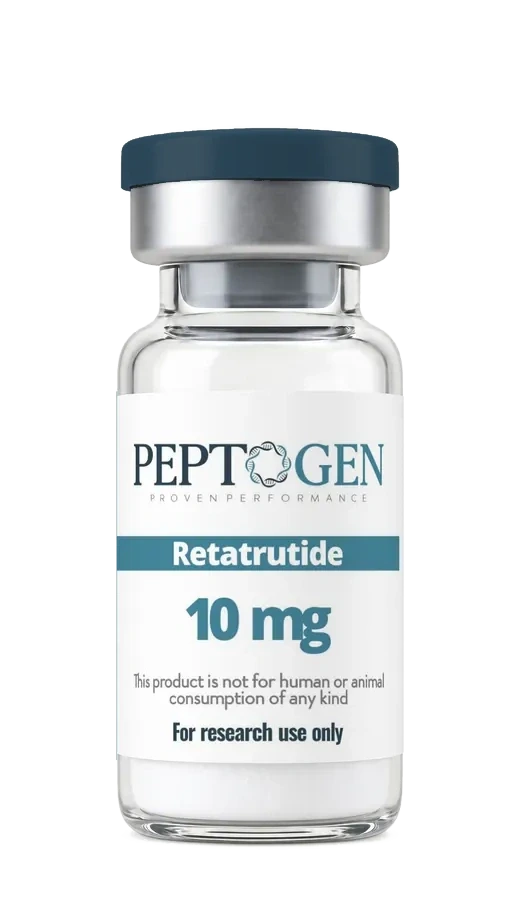
Good practices for handling, reconstituting and storing lyophilized peptides without compromising their stability, from the first needle to the last aliquot.
Peptogen Research TeamOctober 2026 · 3 min read · 3:19 listenPeptides are shipped as a lyophilized (freeze-dried) powder because, without water, most degradation reactions slow almost to a stop. The moment a solvent is added, chemistry resumes. A careful reconstitution routine protects the integrity of the compound and the reproducibility of your data.
Once dissolved, peptides are exposed to several well-described degradation pathways :
For most research peptides, the standard choices are sterile water or bacteriostatic water (sterile water with 0.9% benzyl alcohol as a preservative) . Bacteriostatic water is preferred when a vial will be accessed more than once, because the preservative limits microbial growth between uses. A few hydrophobic sequences require small amounts of other solvents; the supplier's technical data should guide that choice.
Concentration is simply mass divided by volume. A vial containing 10 mg of peptide reconstituted with 2 mL of solvent yields a 5 mg/mL solution. Adding 1 mL instead yields 10 mg/mL. Record the value on the label and in your lab notebook so every downstream calculation in the experiment starts from the same number.
| Peptide mass | Solvent volume | Concentration |
|---|---|---|
| 5 mg | 1 mL | 5 mg/mL |
| 10 mg | 2 mL | 5 mg/mL |
| 10 mg | 1 mL | 10 mg/mL |
| 50 mg | 5 mL | 10 mg/mL |
Before reconstitution, keep vials sealed, protected from light and moisture, refrigerated for routine use or frozen at −20 °C for long-term storage. After reconstitution, keep the solution at 2–8 °C, away from light. If a solution will be used over a long period, divide it into single-use aliquots so the main stock is not repeatedly warmed, punctured or frozen and thawed.
This article is for educational and research purposes only. Peptogen products are research-grade compounds intended exclusively for laboratory and in-vitro research. They are not for human or animal consumption, diagnostic or therapeutic use, and nothing here constitutes medical advice or dosing guidance.
A no-promises review of what current research documents about NAD+, why its levels change with age, and which questions remain open.
Peptogen Research TeamOctober 2026 · 3 min read · 3:15 listenFew molecules have moved from biochemistry textbooks to longevity headlines as quickly as nicotinamide adenine dinucleotide, NAD+. The interest is grounded in real biology. The hype, at times, is ahead of the data. This article separates the two.
NAD+ has two broad jobs . As a redox cofactor, it shuttles electrons in glycolysis, the TCA cycle and oxidative phosphorylation, which makes it essential for ATP production. As a substrate, it is consumed by signaling enzymes: the sirtuins (deacylases involved in metabolic and stress responses), the PARPs (central to DNA repair) and CD38/CD157 (involved in calcium signaling and immunity).
In multiple animal models and some human tissues, NAD+ levels decline with age. One well-supported driver is increased expression of CD38, an NAD+-consuming enzyme that rises with age and inflammation; in mice, CD38 deficiency preserves NAD+ levels and mitochondrial function . Chronic DNA damage, which keeps PARPs active, adds further demand.
The question is no longer whether NAD+ can be raised. It is whether raising it changes anything that matters.
Research has explored several routes to raise NAD+: precursors such as nicotinamide riboside (NR) and nicotinamide mononucleotide (NMN), direct NAD+, and inhibition of NAD+-consuming enzymes . Each has different uptake routes and tissue distribution, and comparisons between them are still an active area of study.
In a randomized, placebo-controlled crossover trial in healthy middle-aged and older adults, six weeks of NR was well tolerated and raised NAD+ in peripheral blood mononuclear cells by roughly 60% . Effects on blood pressure and arterial stiffness were suggestive but not definitive. Across the broader literature, biomarker changes are consistent; functional outcomes such as muscle performance or insulin sensitivity have been mixed.
| Question | Status of the evidence |
|---|---|
| Does NAD+ decline with age? | Supported in many animal tissues; tissue-dependent in humans |
| Can it be raised? | Yes, in blood and some tissues |
| Does that improve function? | Mixed and still under study |
| Long-term effects? | Largely unknown |
This article is for educational and research purposes only. Peptogen products are research-grade compounds intended exclusively for laboratory and in-vitro research. They are not for human or animal consumption, diagnostic or therapeutic use, and nothing here constitutes medical advice or dosing guidance.
How we collect, use and protect your information when you visit peptogen.us or contact us.
Last updated: October 2026. This policy applies to peptogen.us and to any associated contact channel (WhatsApp, email, social media).
We collect the information you provide directly when you reach us through our contact form, WhatsApp, email or social media, such as your name, email address, phone number and the content of your message or inquiry.
If you subscribe to our newsletter, we store your name and email address solely for that purpose. We do not collect payment information on this site: any purchase coordination takes place directly with our team over WhatsApp.
We do not sell or rent your personal information to third parties.
We share information only with providers that help us operate (for example, hosting or messaging services), and only to the extent necessary to provide the service. These providers are required to protect your information and not to use it for any other purpose.
As the owner of your data, you may at any time request to access, correct or delete your information, or withdraw your consent to receive our newsletter communications. To exercise these rights, write to us at info@peptogen.us.
If you have any questions about this policy, contact us at info@peptogen.us, call or message us on WhatsApp at +1 (305) 930-0782, or reach us at our office in Miami, Florida.
This document is a general informational guide and does not constitute legal advice. Peptogen may update this policy periodically; the date of the current version appears at the top of this page.
Answers about our research peptides, Certificates of Analysis, orders and shipping.
Research peptides are laboratory-grade compounds synthesized for scientific and in-vitro research. They are not medicines, dietary supplements, or cosmetics.
No. All Peptogen products are intended exclusively for laboratory and in-vitro research. They are not for human or animal consumption, nor for diagnostic or therapeutic use.
Yes. Every batch is analyzed by an independent third-party laboratory and carries its own COA verifying purity (HPLC) and identity. Each COA corresponds to a specific batch — it is never a generic document. You can request the COA for any batch before ordering.
Our formulations are verified at 99% purity on every batch, confirmed by independent laboratory analysis.
Our peptides are manufactured at our allied pharmaceutical facility in Hong Kong under high pharmaceutical API standards, with final packing in Germany. Every batch is independently tested and documented from raw material to sealed vial.
Keep lyophilized (unmixed) vials sealed, refrigerated, and protected from light and moisture. Once reconstituted, keep refrigerated (2–8 °C) and use within 60 days. Our Biohacking Academy covers the full reconstitution guide for the lab.
Message us on WhatsApp with the products you're interested in, and our team will confirm availability, pricing, and shipping.
Yes, we ship throughout the United States. Delivery times are confirmed when coordinating your order.
Payment is coordinated directly with our team on WhatsApp when confirming your order.
No. As research-grade compounds, we do not provide dosing protocols, medical advice, or usage recommendations for humans or animals. Our Biohacking Academy covers laboratory handling and reconstitution practices for research purposes.
Every vial is traceable from raw material to sealed vial, with its own independent Certificate of Analysis. This is how we guarantee that what's in the vial matches the label — no exceptions.
Yes. Message us on WhatsApp for volume and distributor pricing.
Yes. In addition to the United States, we ship to Colombia, Mexico, and Venezuela. Shipping times and costs depend on the destination — message us on WhatsApp for details.
Yes. We work with distributors in multiple countries. Message us on WhatsApp and our team will share the requirements and distributor pricing.
Write to us on WhatsApp and we'll send you all the information about the Academy: articles, reconstitution guides, and how to read a Certificate of Analysis.
No. Our specialists provide information about our products and research only. They do not diagnose, treat, prescribe, or make usage recommendations for humans or animals.
Available dates are coordinated directly via WhatsApp with our team.
You're covered by our total guarantee: if your package doesn't arrive, we replace it. If it arrives damaged, contact us on WhatsApp right away with your order details and photos, and we'll make it right.
Our team answers on WhatsApp at +1 (305) 930-0782.
All Peptogen products are intended exclusively for laboratory and in-vitro research. Not for human or animal consumption, diagnostic or therapeutic use.
Conditions for exchanges, returns and refunds on orders placed with Peptogen.
Last updated: October 14, 2026. This policy complements section 7 of our Terms & Conditions. Because these are research-grade compounds with a cold chain and batch traceability, our refund policy has specific conditions, detailed below.
If you receive a product different from the one you ordered, or your order arrives incomplete or damaged in transit, contact us within 7 days of delivery via WhatsApp at +1 (305) 930-0782 or at info@peptogen.us, with photos of the product and the packaging. We cover a full replacement or refund in these cases.
Due to the nature of lyophilized vials — which must remain sealed and within their documented cold chain to guarantee traceability — we do not accept returns for change of mind once the order has shipped.
Once the claim is approved, we process the refund or replacement within 5 to 10 business days, through the same payment method or arrangement used at the time of purchase.
To start a claim, message us on WhatsApp at +1 (305) 930-0782 or write to info@peptogen.us with your order number and batch number. Our office is located in Miami, Florida.
This document is a general informational guide and does not constitute legal advice. Peptogen may update this policy periodically; the date of the current version appears at the top of this page.
The terms that apply to every order placed with Peptogen USA.
Last updated: October 14, 2026 · Version 1.0. Welcome to Peptogen. By placing an order at peptogen.us or via WhatsApp, you (“the Customer”) agree to the following Terms and Conditions. If you do not agree, please do not make a purchase.
1.1. All products offered by PEPTOGEN (“the Company”) are research-grade compounds, intended exclusively for laboratory and in-vitro research.
1.2. They are not medicines, dietary supplements, cosmetics or foods. They are not registered as drugs and have not been approved by the U.S. Food and Drug Administration (FDA) or any other health authority for therapeutic use.
1.3. They are not intended for human or animal consumption, nor for the diagnosis, treatment or prevention of any disease.
By placing an order, the Customer represents and warrants that:
3.1. Peptogen does not provide medical advice, diagnoses, treatments, or dosing or administration recommendations for humans or animals.
3.2. No content on the website, the Biohacking Academy, WhatsApp or social media constitutes medical advice. Our team provides information only about the products and the associated research.
4.1. Every batch is verified at 99% purity through independent laboratory analysis.
4.2. Every batch has its own Certificate of Analysis (COA), available upon the Customer’s request before or after purchase.
4.3. All vials have documented traceability from raw material to sealed vial.
4.4. The Company does not guarantee specific results from any research.
5.1. Orders are coordinated via WhatsApp and are confirmed upon payment. Before an order is processed, the Customer must accept these Terms through the online acceptance form at peptogen.us.
5.2. Prices are in U.S. dollars (USD) and may be updated without prior notice; the price in effect at the time the order is confirmed will be honored.
5.3. The Company may reject or cancel any order at its discretion, including in cases of suspected misuse or breach of these Terms, with a refund of the amount paid.
6.1. We ship throughout the United States, as well as to Colombia, Mexico and Venezuela (times and costs depend on the destination and are confirmed via WhatsApp).
6.2. Total guarantee: if your package does not arrive, we replace it. If it arrives damaged, report it via WhatsApp with your order details and photographs and we will make it right.
7.1. Due to the nature of the products, returns are not accepted once the order has shipped, except in the case of a defective product or a shipping error reported within 7 days of receipt, with photographic evidence.
7.2. Products that have been reconstituted (mixed), opened, or stored outside the recommended conditions are not eligible for return, replacement or refund.
7.3. In eligible cases, the Company will choose between replacement or refund.
8.1. To the maximum extent permitted by law, Peptogen’s total liability to the Customer shall not exceed the amount actually paid for the products subject to the claim.
8.2. Peptogen shall not be liable for indirect, incidental or consequential damages, or for any damage arising from the misuse of the products in breach of these Terms.
The Customer agrees to indemnify and hold harmless Peptogen, its partners and collaborators from any claim, damage or expense (including reasonable legal fees) arising from a breach of these Terms or the misuse of the products.
All content on the website, including text, images, videos and Biohacking Academy materials, is the property of Peptogen and is protected by applicable law. Reproduction without written authorization is prohibited.
Peptogen may update these Terms at any time. The version in effect at the time each order is placed shall apply.
These Terms are governed by the laws of the State of Florida, United States.
For questions about these Terms: info@peptogen.us, WhatsApp +1 (305) 930-0782. Miami, Florida.
Accept these Terms online before we process it. It takes less than a minute.
Before we process your order, please review and accept Peptogen’s Terms & Conditions. It takes less than a minute.
Questions about a product, a batch certificate or your research protocol? Message us on WhatsApp and our team will get back to you.
Orders, product questions, Certificates of Analysis and research-protocol guidance. Message us and a Peptogen USA specialist will reply.